Home / Shih Tzu vs Yorkie
Shih Tzu vs Yorkie
Shih Tzu usually wins on family temperament and steadiness with kids. Yorkie usually wins on sheer small size and the lowest-maintenance coat length. Here is the honest, numbers-first breakdown.
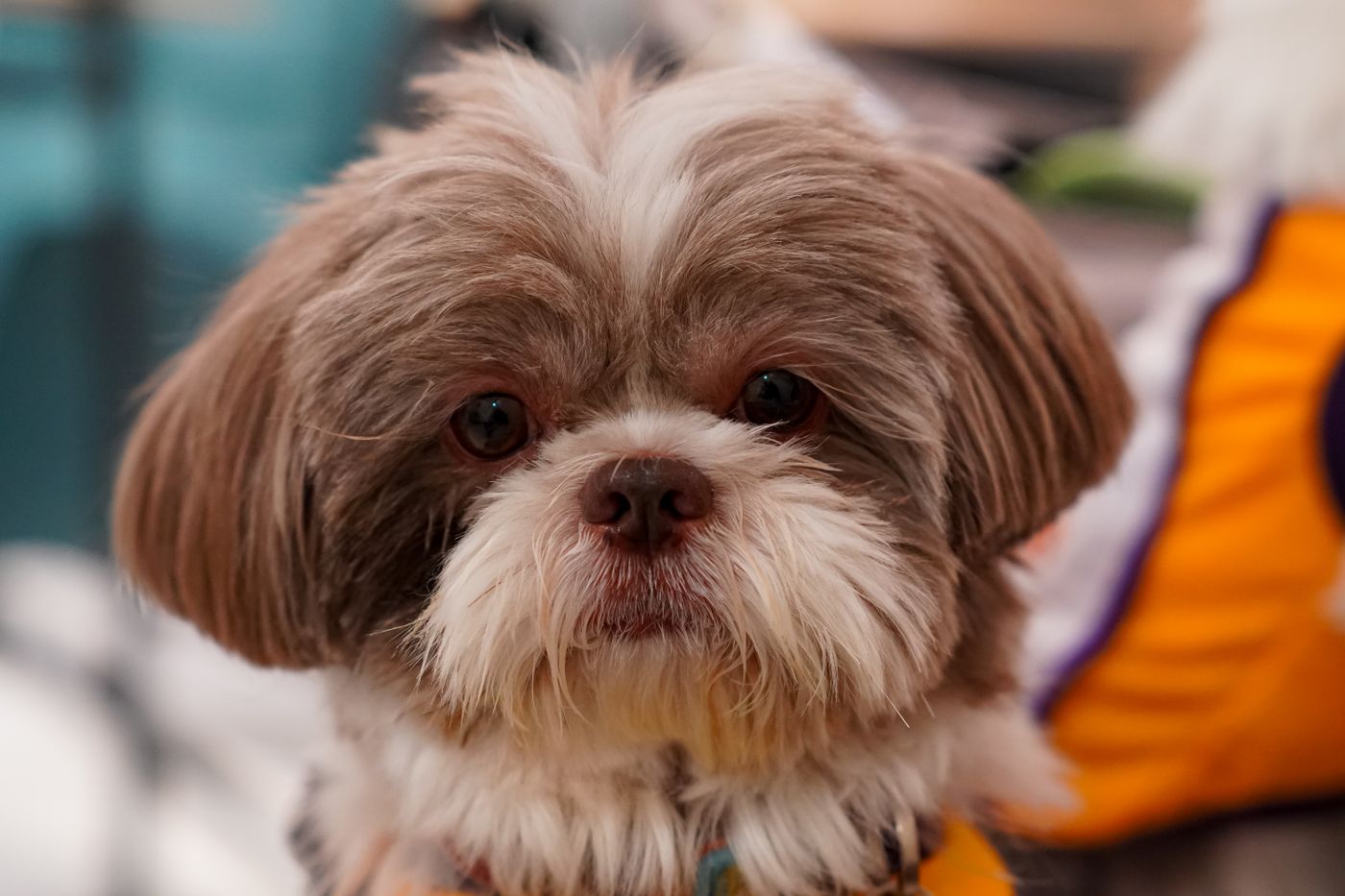
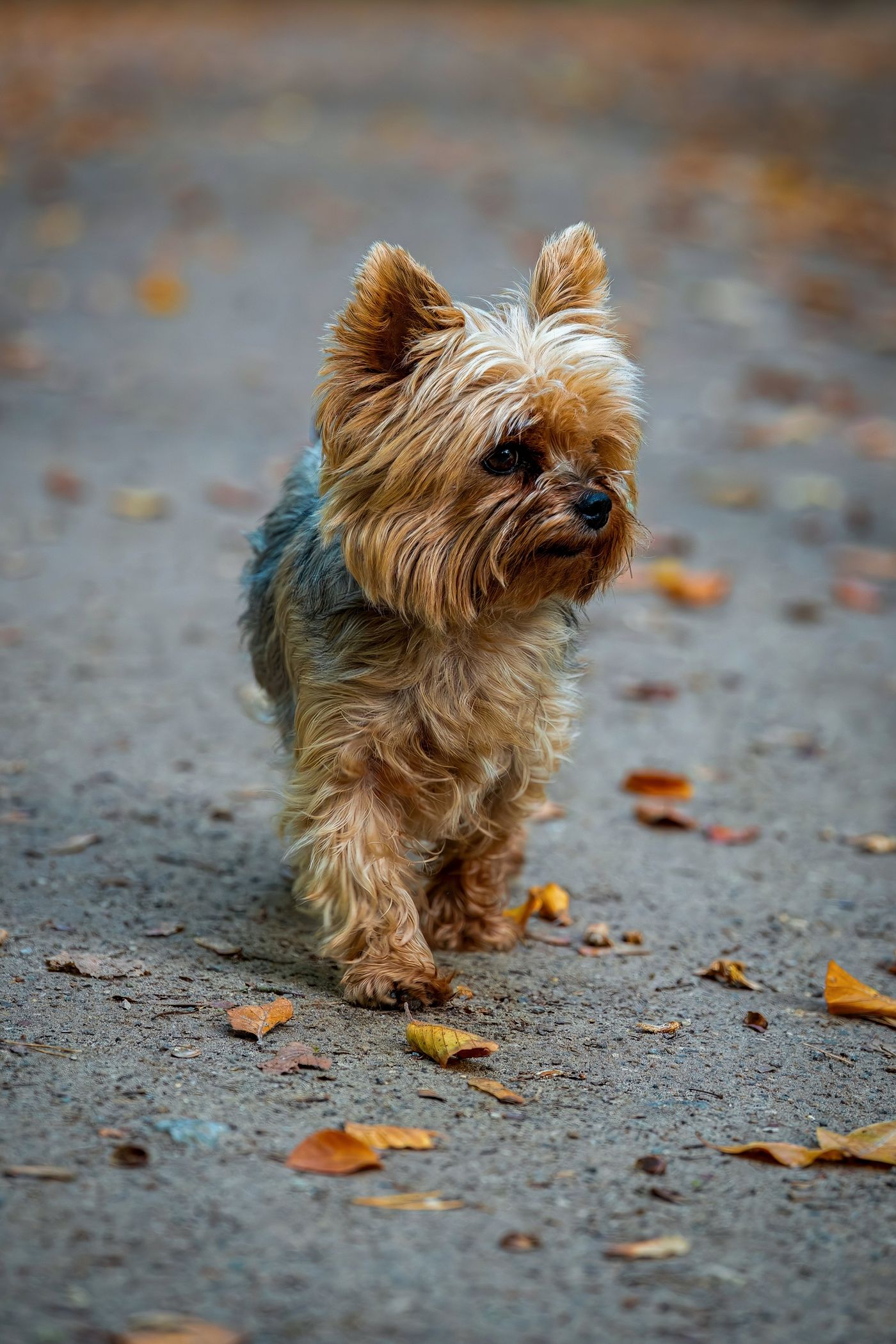
Home / Shih Tzu vs Yorkie
Shih Tzu usually wins on family temperament and steadiness with kids. Yorkie usually wins on sheer small size and the lowest-maintenance coat length. Here is the honest, numbers-first breakdown.
Short answer: pick the Shih Tzu if you want the steadier family dog with kids in the house. Pick the Yorkie if the smallest possible dog and the lowest-upkeep coat length matter most. Longer answer: both breeds get grouped together as small, long-coated toy dogs with low shedding, but the real differences show up in temperament, size, and coat structure, not in some vague "better breed" verdict. Here is the honest side by side.
Our take
Shih Tzu usually wins for families with young kids and first-time toy-breed owners. The AKC standard itself calls for a temperament that is outgoing, affectionate, and trusting toward everyone, and at 9 to 16 pounds it is the sturdier of the two. Yorkie usually wins if your top priority is the smallest possible dog: the AKC standard caps a Yorkie at 7 pounds, well under the Shih Tzu's floor. Neither breed is easier to house-train, both are notorious for it, and both shed very little without being allergy-free. If you are choosing on temperament and family fit, lean Shih Tzu. If you are choosing on size, lean Yorkie.
Thirteen points that actually matter when you are choosing between the two, not just breed-standard trivia.
Swipe sideways on a phone to see the Yorkie column.
| What matters | Shih Tzu | Yorkie |
|---|---|---|
| Weight | 9 to 16 lbs | Up to 7 lbs by breed standard |
| Height at shoulder | 9 to 10.5 in ideal (8 to 11 in range) | 6 to 9 in |
| Coat structure | Long double coat, mats easily, needs regular brushing whatever the length | Single-layer coat, close to human hair, little to no undercoat |
| Shedding | Low, grows continuously rather than shedding in cycles, never allergy-free | Also low, and often even less than a double coat because of the single layer |
| Temperament | Outgoing and affectionate by breed standard, generally trusting toward strangers | Bold, terrier-confident, can be reactive to strangers and other dogs |
| With young kids | Sturdier build, bred purely as a companion, generally easygoing with kids | Breed resources recommend waiting until kids are 5 and older |
| House-training | Notoriously difficult, small bladder plus weather sensitivity | Also notoriously difficult, same small-bladder and weather pattern |
| Face structure | Brachycephalic (flat-faced), needs real heat and breathing care | Normal muzzle length, no brachycephalic airway risk |
| Grooming | Daily brushing for a long show coat, 2-3x/week if kept in a short puppy cut | Similar brushing schedule if kept long, many owners keep a shorter trim |
| Health testing to ask for | CAER eye exam (annual) and patella evaluation; hip and cardiac are optional | Patella, eye exam (ACVO), liver shunt bile-acid screening |
| Average lifespan | 10 to 18 years | 11 to 15 years per the AKC |
| AKC recognition | 1969 | 1885, 84 years earlier |
| Typical price | $1,000 to $3,000 on average, $1,200 to $4,000 from reputable breeders | Roughly $1,200 to $3,500 nationally |
If you have only ever seen a Yorkie in a bow and a sweater, the breed's actual background explains a lot about its personality.
Yorkies were bred to hunt rats in English mill towns before they became Victorian-era lap dogs, and the AKC recognized the breed all the way back in 1885, 84 years before the Shih Tzu. That working-terrier instinct is still visible today: boldness, a strong prey drive toward small animals, and a dog that does not act like it is small.
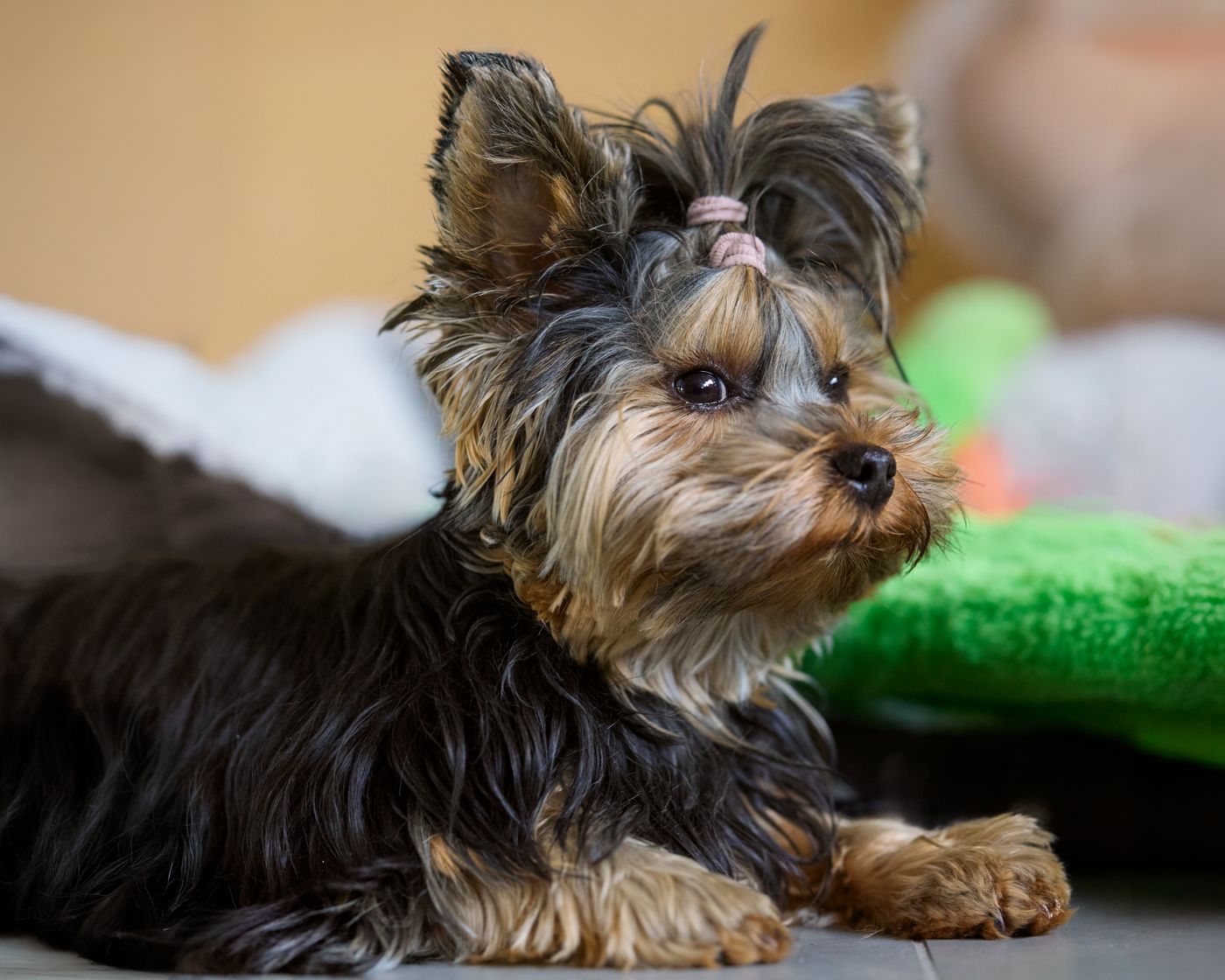
A Yorkie's coat is a single layer of fine hair with almost no undercoat, which is why groomers and vets consistently call it one of the lower-maintenance long coats to keep healthy, even though it still needs daily brushing to stay tangle-free at full length. It also carries none of the brachycephalic breathing risk that comes with the Shih Tzu's flatter face.
The honest part
It would be easy for a Shih Tzu site to only tell you what is good about a Shih Tzu. Here is where the Yorkie is genuinely the better dog on paper, not a consolation prize.
The Shih Tzu tends to be the steadier choice. The AKC standard describes the breed as outgoing, friendly, and trusting toward everyone, and at 9 to 16 pounds it is sturdier than a Yorkie. The Yorkie keeps its ratter-terrier confidence and can be more reactive to strangers or rough handling, and breed resources generally recommend waiting until kids are 5 or older before adding one to the house.
Neither, honestly. Both breeds have a reputation as difficult to house-train, and the reasons are similar: a small bladder means less time between trips outside, and both breeds are known to refuse to go out in cold, rain, or wind, which turns into an indoor accident. Consistency, a set schedule, and crate management matter more than which of these two breeds you pick.
Both shed very little compared to most breeds, for different reasons. The Yorkie's coat is a true single layer, closer to human hair than dog fur, with almost no undercoat. The Shih Tzu also grows hair rather than fur that sheds in cycles, but it is a longer double coat that mats more easily and needs more brushing to stay healthy, whether or not it is kept short.
The Yorkie by a wide margin. The AKC breed standard caps a Yorkshire Terrier at 7 pounds, while a Shih Tzu runs 9 to 16 pounds. If the goal is the smallest possible dog, the Yorkie wins outright.
The Shih Tzu tends to have the longer top end. Shih Tzus commonly live 10 to 18 years, while the AKC lists 11 to 15 years for the Yorkie. Both breeds can live well into their teens with good care, but the Shih Tzu's range simply runs longer on the high side.
The Yorkie, by a wide margin. The AKC recognized the Yorkshire Terrier in 1885. The Shih Tzu did not enter the AKC Stud Book until 1969, 84 years later.
Leaning Shih Tzu? See what to look for before you buy and what day-to-day life with the coat and brachycephalic care actually looks like. Leaning Yorkie? See Yorkie puppies at Yorkie Pup Finder, a family-owned site in the same network.
Read the breeder checklist