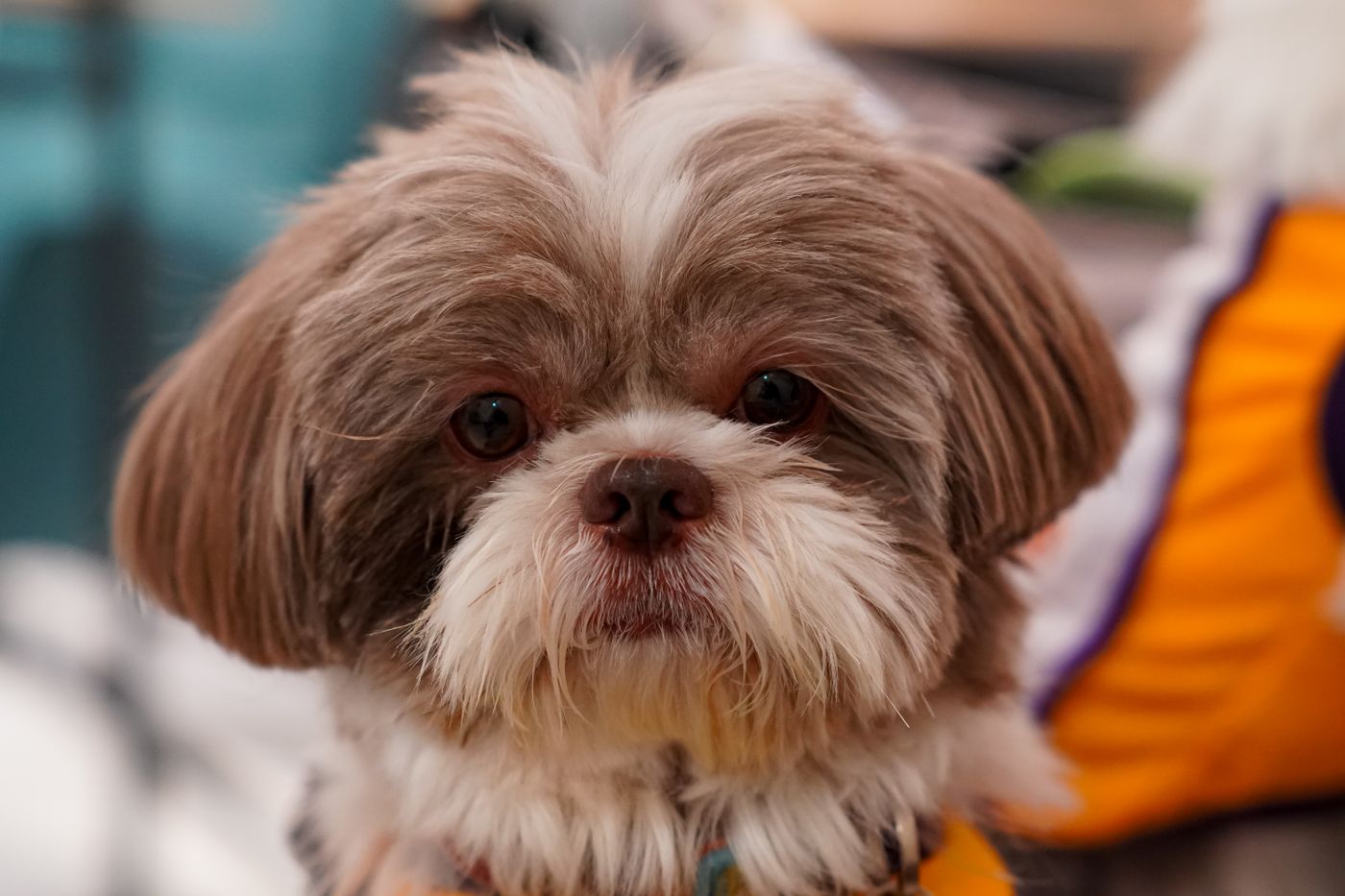
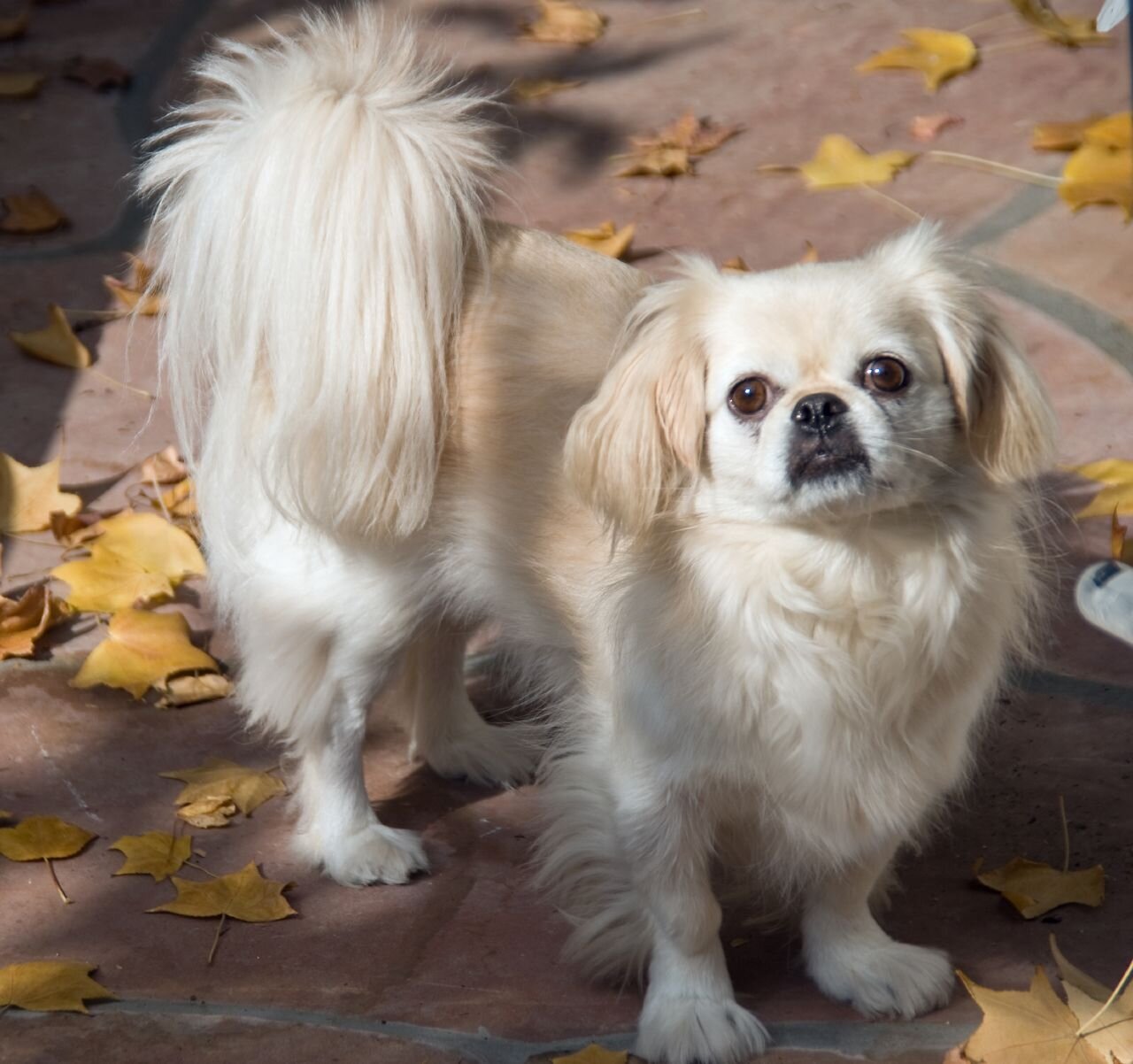
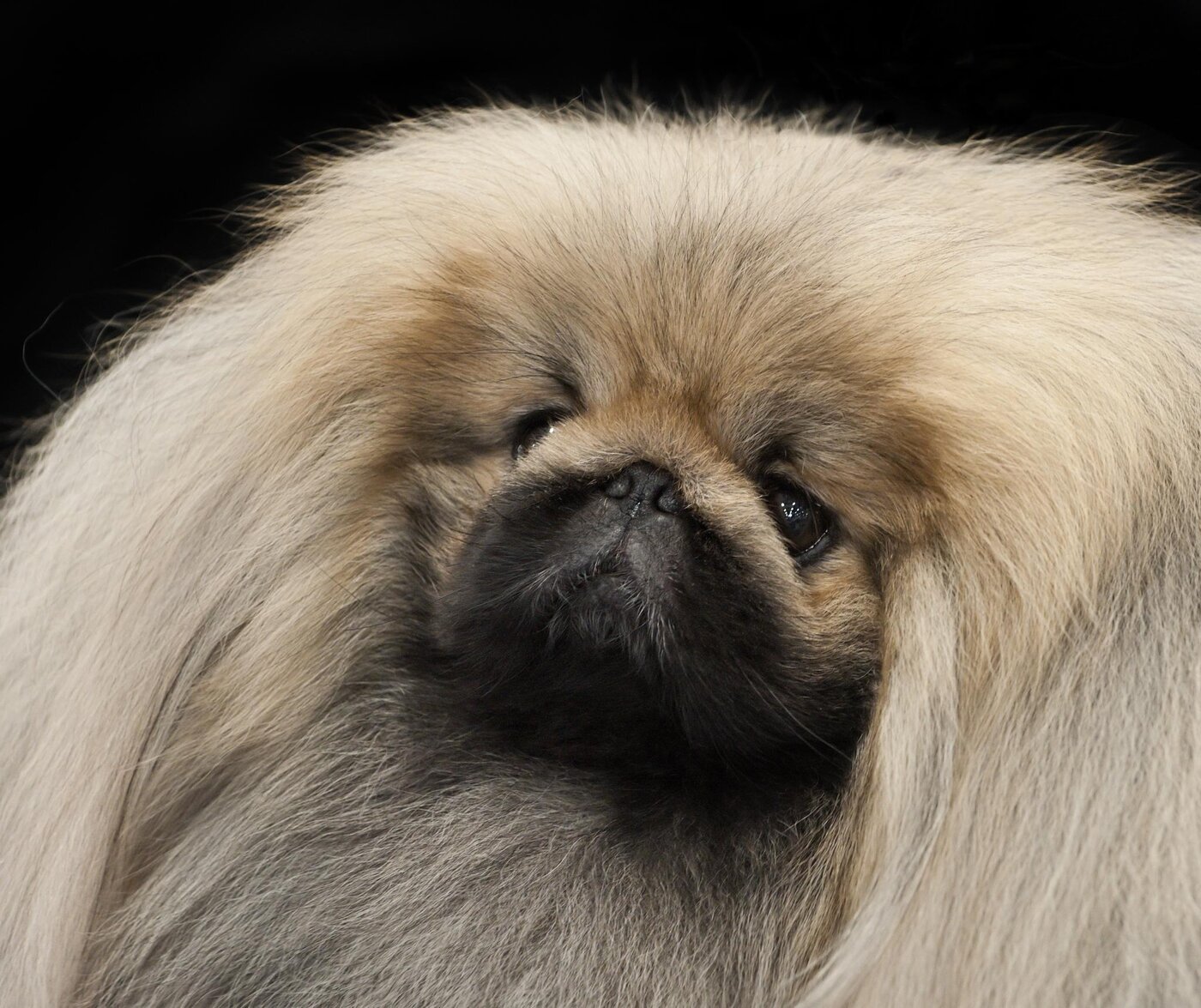
Short answer: pick the Shih Tzu if you want the more outgoing, lower-shedding toy breed for a first-time home. Pick the Pekingese if you want the smaller, more independent, more deeply pedigreed dog and don't mind a heavier grooming and shedding routine. Longer answer: these two are not a random pairing. Historians believe the modern Shih Tzu descends in part from Lhasa Apso-type dogs crossed with Pekingese inside the Forbidden City's imperial kennels, so the resemblance is real ancestry, not coincidence. The real differences that matter for a buyer show up in temperament, coat, and health risk, not in some vague "cuter breed" verdict. Here is the honest side by side.
Our take
The short version
The Pekingese carries the deeper AKC pedigree, recognized in 1906, 63 years before the Shih Tzu entered the Stud Book, and a documented history as a guarded companion inside the Chinese imperial court. That history shows up today as a more independent, more dignified default temperament, plus the smaller frame: the AKC standard disqualifies a Pekingese over 14 pounds. The Shih Tzu is the more people-oriented of the two, bred by standard to be outgoing and trusting toward everyone, and its coat grows continuously rather than shedding in cycles, which is part of why it is the more common first choice for a family home. Both breeds are genuinely brachycephalic and need real heat and breathing care, but the Pekingese's face runs flatter and its long back adds a disc-disease risk the Shih Tzu does not carry to the same degree. If you are choosing on independence and pedigree, lean Pekingese. If you are choosing on people-focused temperament and lower shedding, lean Shih Tzu.
The numbers and the temperament, together
Thirteen points that actually matter when you are choosing between the two, not just breed-standard trivia.
| What matters | Shih Tzu | Pekingese |
|---|
| Weight | 9 to 16 lbs | Up to 14 lbs; over 14 lbs is an AKC disqualification |
|---|
| Height | 9 to 10.5 in at the withers, ideal | Roughly 6 to 9 in; a longer-backed, lower-slung build |
|---|
| Coat structure | Long double coat that grows continuously, mats easily, needs regular brushing whatever the length | True double coat: long coarse outer layer over a soft undercoat |
|---|
| Shedding | Low, grows in cycles rather than shedding out, never allergy-free | Moderate year-round with heavy seasonal coat blows, also never allergy-free |
|---|
| Temperament | Outgoing and affectionate by breed standard, generally trusting toward strangers | Independent, dignified, and individualistic by breed standard; more self-willed than eager to please |
|---|
| With strangers / new owners | Generally welcoming, easier default for a first dog | Aloof to affable with strangers; the AKC's own guidance suggests an owner with some training experience |
|---|
| House-training | Notoriously difficult, small bladder plus weather sensitivity | Also notoriously difficult, compounded by the breed's independent streak |
|---|
| Face structure | Brachycephalic (flat-faced), needs real heat and breathing care | More severely brachycephalic; named alongside the Shih Tzu in Cambridge BOAS-risk research, but consistently described as the flatter-faced of the two |
|---|
| Other health considerations | Brachycephalic airway risk; standard-size body, no elevated disc-disease risk | Same brachycephalic risk plus a long-backed build linked to a real risk of intervertebral disc disease (IVDD) |
|---|
| Health testing to ask for | CAER eye exam (annual) and patella evaluation; hip and cardiac are optional | CAER eye exam (annual), OFA patella evaluation, PRA DNA test, plus a respiratory function grading exam for brachycephalic breeds |
|---|
| Average lifespan | 10 to 18 years | 12 to 14 years |
|---|
| AKC recognition | 1969 | 1906, 63 years earlier |
|---|
| Typical price | $1,000 to $3,000 on average, $1,200 to $4,000 from reputable breeders | $1,000 to $2,500 from a reputable breeder, averaging roughly $1,800 |
|---|
Pick a Shih Tzu if
- You want the more outgoing, people-trusting temperament for a first dog or a house with kids.
- Lower shedding matters to you, even though neither breed is truly allergy-free.
- You want a slightly wider adult size range and don't mind a dog up to 16 pounds.
- You can commit to real heat and breathing care for a brachycephalic face, without the added back-disease risk.
Pick a Pekingese if
- You want the smaller, lower-slung dog: the AKC standard disqualifies anything over 14 pounds.
- You want a more independent companion and are comfortable training a self-willed breed.
- The deeper AKC pedigree and imperial-court history appeal to you.
- You can commit to heavier grooming, seasonal shedding, and extra care for both the airway and the back.
What a Pekingese actually is
If you only know the Pekingese as "the other flat-faced lap dog," the breed's actual background and build explain a lot about how it differs from a Shih Tzu day to day.
A palace dog with a 1906 AKC pedigree
The AKC recognized the Pekingese in 1906, 63 years before the Shih Tzu entered the Stud Book, following the breed's long history as a guarded companion inside the Chinese imperial court. That deeper, more independent lineage still shows up today: a breed standard built around directness, dignity, and individuality rather than the Shih Tzu's people-pleasing default.
A true double coat, and a flatter face
Unlike the Shih Tzu's continuously-growing coat, a Pekingese carries a real double coat that blows out seasonally, which means more shedding, not less. Its face also runs flatter than a Shih Tzu's: Cambridge researchers name both breeds among the highest-risk for brachycephalic breathing problems, but comparisons of the two breeds consistently describe the Pekingese as the more extreme case. The breed's long back adds one more consideration a Shih Tzu buyer does not need to plan for: a real, documented risk of intervertebral disc disease.
The honest part
Where the Pekingese genuinely wins
It would be easy for a Shih Tzu site to only tell you what is good about a Shih Tzu. Here is where the Pekingese is genuinely the better dog on paper, not a consolation prize.
- A deeper, older pedigree. The AKC recognized the Pekingese in 1906, more than six decades before the Shih Tzu. That gap means more documented generations and, for some buyers, a real historical draw: this is the breed that once lived inside the Forbidden City.
- Genuinely the smaller dog. The AKC standard disqualifies a Pekingese over 14 pounds, and the breed's low-slung, roughly 6-to-9-inch frame reads as more compact than a Shih Tzu's even where the weight ranges overlap. If the goal is the smallest, most portable toy dog, the Pekingese wins outright.
- A genuinely independent companion. Not every buyer wants a velcro dog. The Pekingese's more self-willed, dignified temperament suits an owner who wants a loyal but less demanding companion, and who has the patience to train a breed that is more independent than eager to please.
Shih Tzu vs Pekingese, quick answers
Are Shih Tzu and Pekingese actually related?
Historians believe so. Per the AKC's own breed-history page and the American Shih Tzu Club's early breed history, the modern Shih Tzu descends in part from Lhasa Apso-type dogs crossed with Pekingese inside the Forbidden City's imperial kennels, centuries before either breed reached the West. Nobody kept exact breeding records at the time, so the precise mix is not fully known, but the shared palace-dog ancestry is well documented.
Which is easier for a first-time owner, a Shih Tzu or a Pekingese?
The Shih Tzu, generally. Its own AKC breed standard calls for a temperament that is outgoing, affectionate, and trusting toward everyone. The Pekingese standard describes directness, independence, and individuality instead, and the AKC's own guidance on the breed notes it is more self-willed than eager to please and best suited to an owner with some dog-training experience. Both are trainable with patience; the Pekingese just asks for more of it.
Which breed has the flatter face and more breathing risk?
The Pekingese, by a real margin. University of Cambridge researchers name both the Pekingese and the Shih Tzu among the dog breeds most at risk for brachycephalic obstructive airway syndrome (BOAS), but cross-breed comparisons consistently describe the Pekingese as the more extremely flat-faced of the two. Both breeds need real heat and exercise management. The Pekingese needs more of it.
Do Shih Tzus or Pekingese shed more?
The Pekingese, clearly. A Shih Tzu's coat grows continuously, more like human hair than shedding fur, which is why the breed is often marketed toward allergy-conscious buyers (neither breed is truly allergy-free). A Pekingese carries a true double coat, a long coarse outer layer over a soft undercoat, that sheds heavily during seasonal coat blows and moderately the rest of the year. If shedding is a real concern in your house, that difference matters.
Which is smaller, a Shih Tzu or a Pekingese?
The Pekingese, on paper. The AKC standard disqualifies a Pekingese over 14 pounds, and the breed stands roughly 6 to 9 inches tall. A Shih Tzu runs 9 to 16 pounds at 9 to 10.5 inches. The Pekingese is also a longer-backed, lower-slung dog for its weight, so it reads as the more compact of the two even where the weight ranges overlap.
Which breed has the longer AKC history?
The Pekingese, by a wide margin. The AKC's own list of breeds by year recognized dates the Pekingese to 1906, brought into fashion in the West after being taken from the Chinese imperial palace in 1860. The Shih Tzu did not enter the AKC Stud Book until 1969, 63 years later.